
Why label finish matters on the job
Label finish is not just about appearance. It affects readability, scuff resistance, how the label feels in the hand and whether a pen or marker will sit properly on the surface. In a workshop, storeroom, school office or mine supply cage, a label has to do a job first and look good second.
In and around Rustenburg, labels get handled in warm rooms, dusty yards and sometimes on containers that move from one site to another. If the finish is wrong, the print can disappear too quickly or become hard to read under bright light. That is why we always ask how the label will be used before recommending gloss, matte or writable stock.
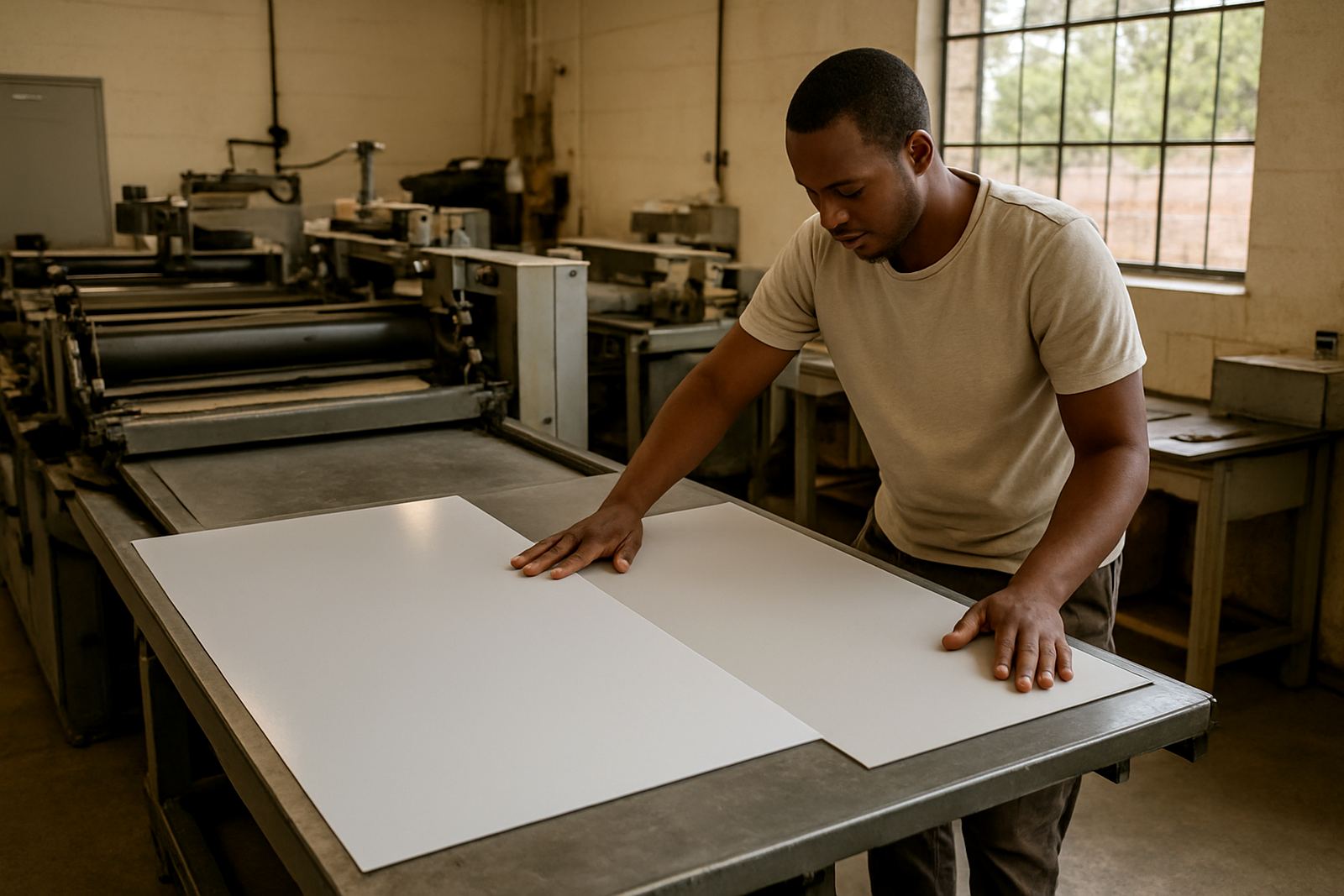
The same artwork can behave very differently on each finish. A barcode that scans well on matte may glare on gloss. A product name that looks sharp on gloss may be too reflective for shelf use near strong lighting. Small choices like this save time later, especially when labels are used in bulk.
When gloss labels make sense
Gloss labels have a smooth, shiny surface that gives colour strong depth and makes images stand out. They are often chosen for retail packs, short-run product branding, promotional items and labels where a polished appearance matters. If your brand relies on bright colour blocks or crisp contrast, gloss can work very well.
They are also useful when the label must be wiped clean. For example, a gloss finish can suit sealed containers, cosmetic jars, display items and items that are handled but not written on regularly. In some cases, the shine can help colours pop under indoor lighting, especially where the label sits on a dark or plain background.
- Best for strong visual impact and clean presentation
- Good for sealed products and handled packaging
- Not ideal where frequent handwriting is needed
- Can reflect light in offices, stores and vehicle interiors
If you are labeling items for a launch, trade counter or promotion, gloss gives a neat finish. But if the label must carry notes, batch details or signatures, test it first because the surface may not take all pens equally well.
Matte labels for practical everyday use
Matte labels have a low-shine finish that is easier on the eye and usually better for writing. They are a strong choice for filing, logistics, product tracking, school use and equipment identification where people need to add notes by hand. In busy environments, matte tends to feel more practical.
This finish reduces glare, which helps when labels are read under fluorescent lights or daylight coming through a store room door. That matters for settings where staff must check stock fast or write details while standing at a counter. It also gives a neater look on folders, files, sample bottles and instruction labels.
For businesses that need clear handwriting space, matte is usually the safer choice. It can still be printed well, but the main advantage is that pens, markers and stamp ink generally sit better on it than on shiny stock. If your team labels goods at the back office or on site, matte saves frustration.
- Ideal for handwritten notes, dates and batch marking
- Reduces glare in offices and storerooms
- Works well for files, cartons and equipment tags
- Often preferred for practical use over display use
Writable labels for stock control and notes
Writable labels are made for repeated marking, recording or changing information. They are often used for stock rotation, laboratory-style notes, storage bins, school assets and maintenance records. Where details shift often, this finish is more useful than a purely decorative label.
The key question is what will be written on it and how often. If the label must accept ballpoint pen, permanent marker or date stamps, the surface should be chosen with that in mind. Some writable labels are designed to take handwriting cleanly without smudging, while others are better for a light note only.
For mine supply rooms, contractor stores and busy warehouses, writable labels help keep control of item flow. They can be applied to boxes, tubs, shelves and documents where quick identification matters more than gloss or shine. It is a simple choice that can improve order without changing the whole system.
- Useful for stock rotation and changeable information
- Good for bins, cartons, files and asset tagging
- Should be tested with the actual pen or marker used on site
- Better when content changes often or needs approval notes
If the label is meant for a one-time note, a standard matte option may be enough. If it needs regular updating, choose a writable finish made for that purpose rather than forcing a shiny label to do a job it was never meant for.
Choosing for Rustenburg conditions and local use
Local conditions matter more than many people expect. Rustenburg heat, dust and daily handling can wear labels faster than in a cool office. Around Bojanala, we often see labels used on delivery crates, workshop shelves, school supplies and packaging that moves between town and site. The right finish depends on where that label will live.
If the label will sit in direct sun through a vehicle window or in a hot storeroom, consider how much reflection you can live with. Gloss may look sharper at first, but matte can be easier to read in strong light. For labels on plastic containers or coated surfaces, the adhesive and finish should work together so the label stays flat and does not curl.
At Crystal Clear Printing in the Rustenburg CBD, we often help clients choose based on actual use rather than a sample sheet alone. A school may need writable labels for books and assets, while a contractor may need matte labels for tools and stock. A small difference in finish can save a lot of rework later.
Here is a simple way to decide:
- Use gloss when presentation is the priority
- Use matte when legibility and writing matter most
- Use writable labels when details will change often
- Check the surface, lighting and handling before ordering in bulk
Test before you print a full run
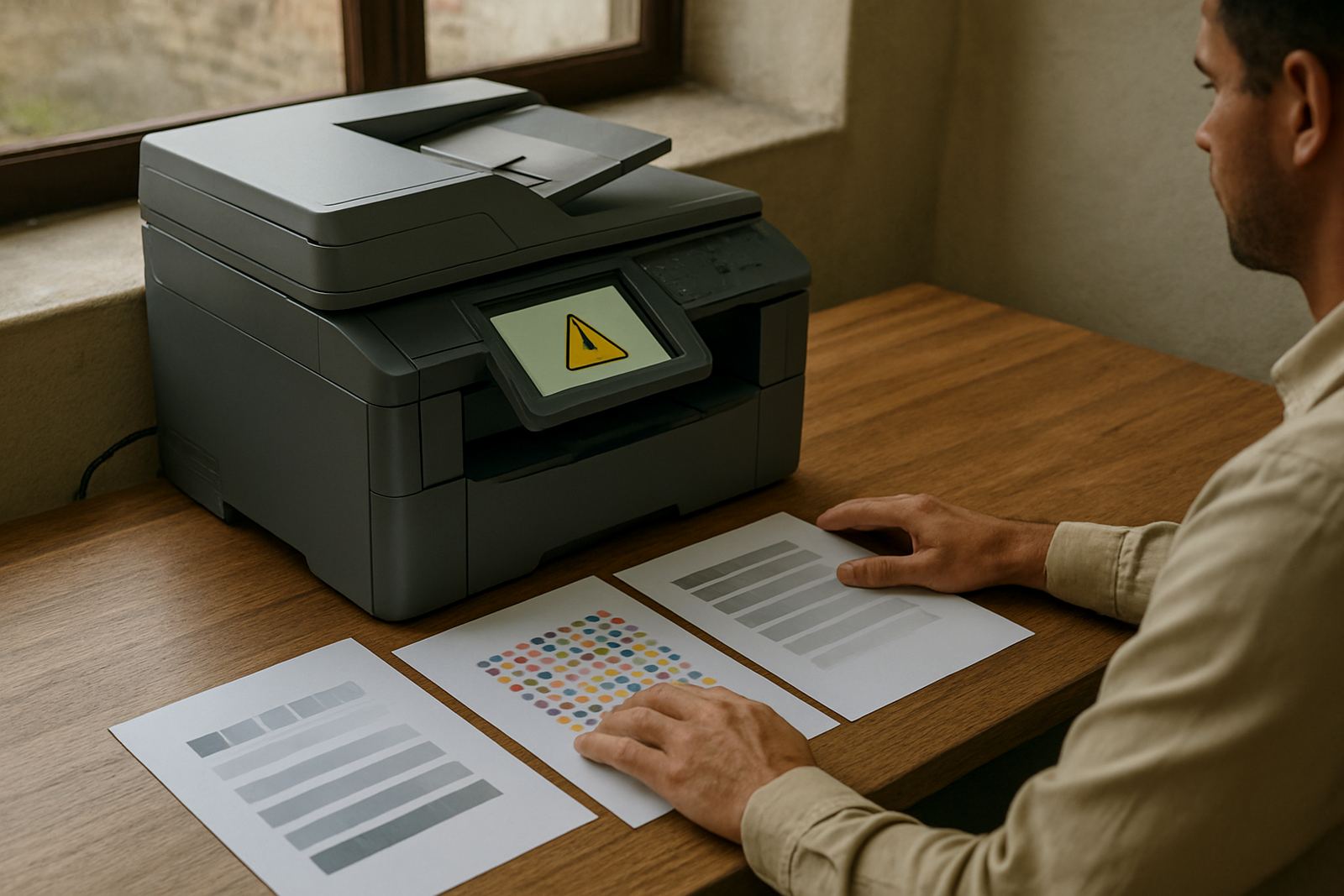
A sample test is worth doing before any larger batch. Write on the label with the same pen, marker or stamp your staff will use. Hold it under the same lighting, touch it with clean hands and see whether the finish smudges or reflects too much. This small check can prevent wasted stock.
The first thing to consider is where the label will be used. A label for a gift pack does not need the same finish as a label for workshop shelving. Likewise, a label on PPE packaging may need clearer batch marking than a label on a promotional item. Matching the finish to the task keeps the end result tidy and practical.
Our team handles artwork setup, large format printing, print lamination, banner finishing, embroidery digitising, garment embroidery, vehicle branding fitment, sign installation, gift branding, delivery and setup. For label work, the same practical approach applies: choose the finish that suits the use, not just the look. That is how you get labels that hold up properly.
If you are unsure, send your label details through the enquiry form on our contact page and we will help you choose the right finish for the job.