
Start with the vehicles you actually use every day
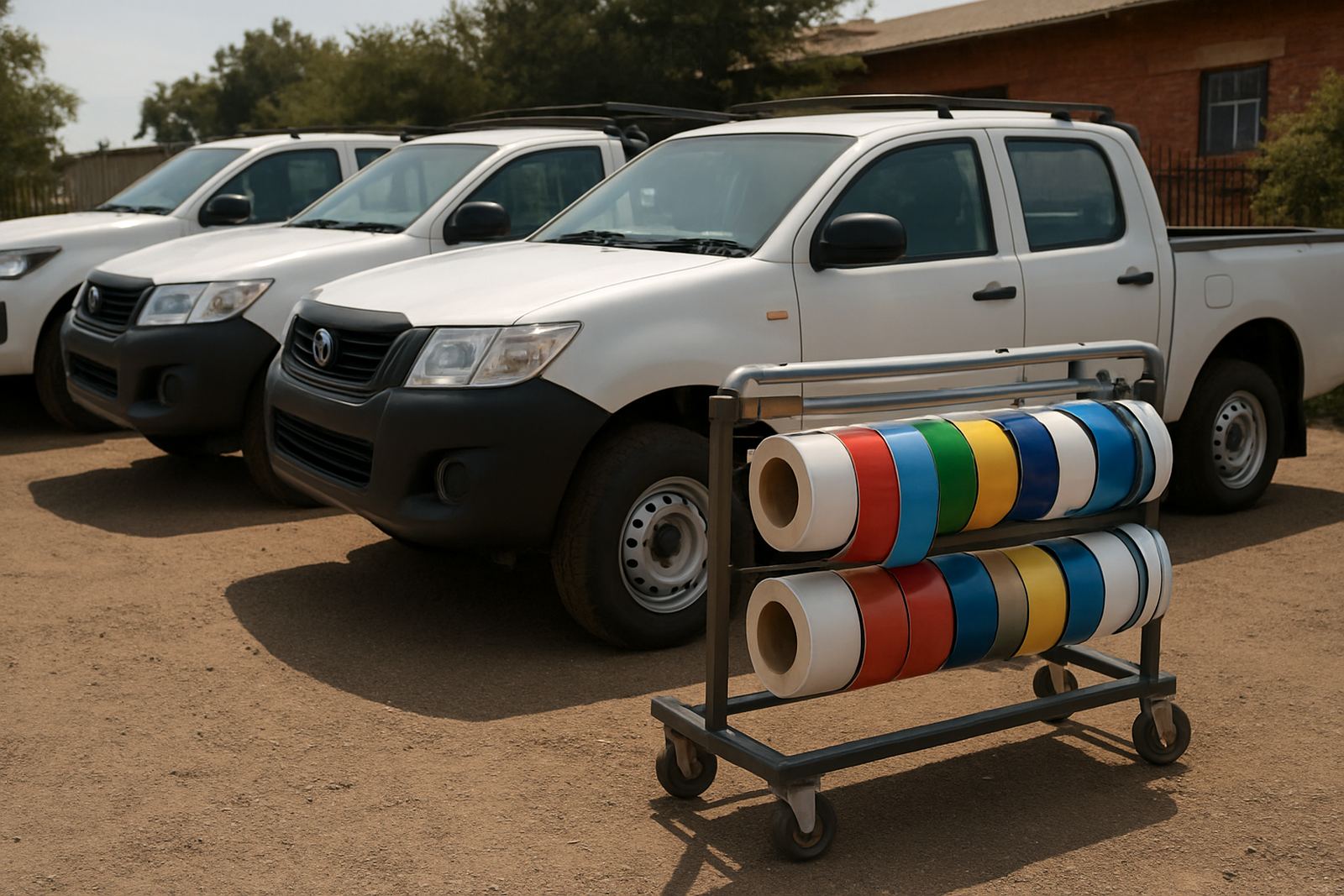
Before you approve any decals, list the vehicles in the fleet and how each one is used. A bakkie that carries tools to mines in Kroondal will need a different approach from a panel van doing school deliveries in Phokeng or Mogwase. Take note of body shape, door handles, wheel arches, rivets, bumps, roof racks and any existing damage, because these affect where film can sit properly.
You should decide upfront whether the branding is meant for a short campaign or a long-term finish. Some small businesses only need a campaign wrap for six months, while others want a cleaner permanent identity that stays on the road for years. The more detail you have upfront, the fewer surprises later when a vehicle comes in for fitment.
- Write down each vehicle make, model, colour and registration number.
- Check whether the fleet includes panel vans, bakkies, trucks or trailers.
- Note if the vehicle is parked outdoors, under cover or at a yard with dust and sun exposure.
- Record any existing scratches, repainting or accident repairs before artwork is approved.
Choose the right branding method for the job
Fleet branding is not one-size-fits-all. Vinyl lettering works well for names, contact details and short messages. Partial wraps suit side panels, tailgates and larger doors where you want more visual impact without covering the full vehicle. Full wraps suit high visibility campaigns, but they need more planning, more film and more careful maintenance.
For many businesses in Rustenburg, the sweet spot is a practical mix. A clean logo, readable phone line, service list and a few colour panels can do more for daily recognition than a busy full wrap. If the fleet runs through dust, rain and road grime, simpler layouts often stay looking better for longer.
- Use vinyl lettering for budget-friendly identification and contact details.
- Use partial wraps for strong branding on doors, side panels and tailgates.
- Use full wraps when you need maximum coverage and a more dramatic finish.
- Ask for print lamination where the vehicle will face harsh sun and frequent washing.
Keep the message short enough to read in traffic
Most fleet branding is seen for only a few seconds at a stop street, on a gate line or in moving traffic. That means the wording must be short, large and easy to read. A logo that looks good on a business card may not work on a bakkie door if the wording is too small or the contrast is poor.
Think in terms of what a driver needs to remember after one glance. Your business name, one main service line and a contact route are usually enough. If you try to list everything, the layout gets crowded and the message disappears. Dark text on a light vehicle often reads best, but high contrast matters more than the exact colour choice.
- Use one main message, not a full brochure on wheels.
- Keep lettering large enough to be read from a distance of 10 to 20 metres.
- Place the most important details on both sides and the rear.
- Leave breathing room around logos so the vehicle does not look cluttered.
Check the paintwork and body condition before fitment
Decals stick best to clean, sound paint. If a vehicle has been resprayed recently, it needs enough curing time before any film is applied. If panels are cracked, peeling or badly rusted, the adhesive will struggle and edges may lift. That is a common problem on older work vehicles that spend long hours in the sun or on gravel roads outside town. A small prep mistake now can shorten the life of the whole job.
Washing matters too. Dust, polish residue, wax and silicone all affect adhesion. The body should be cleaned properly and allowed to dry before fitment. On colder mornings in Rustenburg, give the panels time to warm up so the material sits down neatly, especially around curves and handles. It is a simple step, but it saves money later.
- Do not apply film over fresh paint that has not fully cured.
- Repair rust, dents and lifting paint before booking the vehicle.
- Remove wax and polish residue from the fitting area.
- Make sure the vehicle is dry, warm enough and free of dust at the time of installation.
Plan for Rustenburg weather, dust and daily wear
North West conditions can be hard on vehicle graphics. Strong sun, dry dust, occasional rain and frequent washing all affect how long the branding holds up. If a fleet sleeps outside, you should expect more fading and more edge wear than a vehicle kept under cover. Coastal humidity is not the issue here, but heat and UV exposure certainly are.
Load-shedding also matters in a practical way. If the business depends on vehicles being ready at fixed times, plan fitment around power cuts and workshop schedules so there is enough time for drying, layout checks and cleanup. A rushed install can leave bubbles, misaligned text or weak edges. The best results come from proper timing, not speed.
Small businesses often overlook parking access as well. If a truck or bakkie is too big to get into the bay easily, measure the entry point before confirming the booking. That avoids delays on installation day and helps the team work safely around mirrors, ladders and side steps.
- Allow for strong UV exposure and daily dust on open parking sites.
- Schedule fitting when the vehicle can remain still for a proper curing period.
- Check access to the yard or workshop before confirming an installation.
- Plan maintenance washes with gentle soap, not harsh scrubbing.
Use local branding as a working tool, not just a moving sign
For many businesses in Bojanala, fleet branding is doing more than looking neat. It helps a supplier get noticed at school gates, on mine roads and at customer yards without needing extra effort from the driver. A clean branded vehicle also gives clients a quick sense of order, which matters when your team arrives on site with tools, uniforms and stock.
A Rustenburg plumbing contractor, for example, may send one bakkie to Tlhabane in the morning and another to Marikana by afternoon. If both vehicles carry the same clear branding, the business looks consistent across the region. That consistency makes it easier for clients to recognise the team and more likely to remember the company when they need service again. Done properly, fleet branding becomes part of daily operations, not just a once-off expense.
At Crystal Clear Printing in the Rustenburg CBD, the process is handled with the same practical focus used for banners, signage and other business branding. The team can assist with artwork setup, large format printing, vinyl cutting, delivery and setup, plus vehicle branding fitment for fleets of different sizes. Whether the job is one bakkie or several vehicles across town, the key is the same: clear artwork, correct prep and a finish that can stand up to real use.
A simple checklist before you sign off the artwork
Before a fleet job goes to print, check the details line by line. Names, phone numbers and service areas must be accurate. Colours should be consistent with the rest of your business material, and the layout must fit the vehicle shape, not fight it. If the design is too crowded, ask for a cleaner version. If the vehicle has unusual panels or a mixed paint finish, it may need a custom approach.
Future growth should be part of the plan. If you plan to add more vehicles later, use a layout that can be repeated across the fleet. That keeps your branding neat and avoids having one vehicle that looks unrelated to the others. For growing businesses, that consistency is worth more than a flashy design that only works on one vehicle.
- Confirm the correct spelling of the business name and services.
- Check visibility from the side, rear and at a distance.
- Ask how the finish should be cleaned and maintained after fitment.
- Make sure the layout can be repeated on new vehicles later without starting from scratch.