
Start with the vehicle use, not just the logo
Before any artwork is cut, think about how the vehicle is used every day. A mine support bakkie that travels on gravel near Rustenburg needs a different finish from a school shuttle that spends most of its time in town. If the vehicle is shared by staff, carries tools, or parks outside in strong sun, the material choice and layout should match that reality.
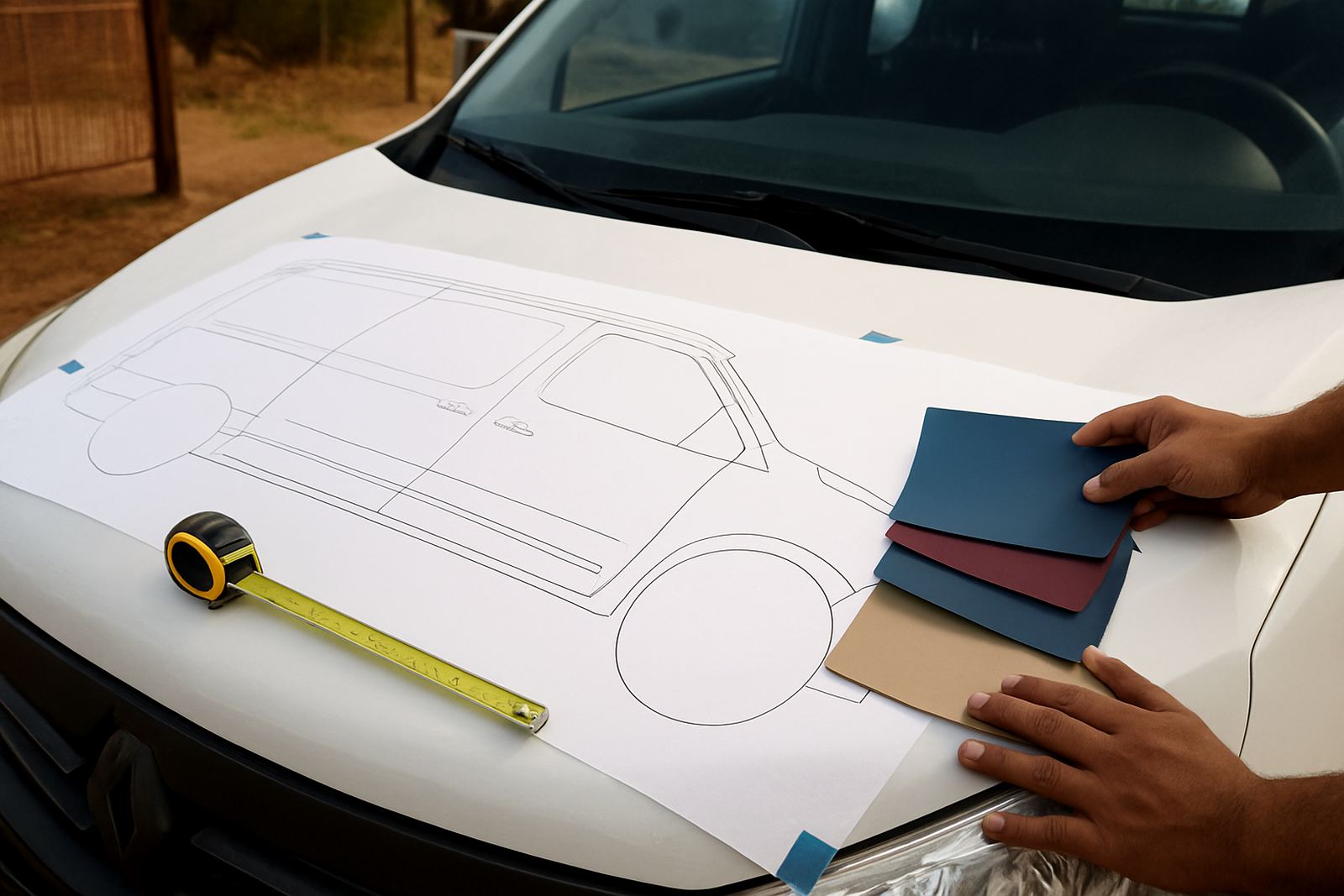
Write down the make, model, year and colour of each vehicle. Take clear photos from all sides in daylight, including the bonnet, doors, rear and any curved panels. These details help us plan around handles, mouldings, fuel caps, side steps and roof racks. It also avoids problems later if the same design must go onto a small hatchback and a long wheelbase bakkie.
Think about the message too. Some businesses only need a logo and contact details, while others need a full commercial look with services, safety wording or site information. Keep the message short enough to be read while the vehicle is moving. In busy traffic, less text usually works better.
Choose the right type of branding for each body panel
Not every vehicle needs full wrap coverage. In many cases a mix of vinyl cut lettering, printed panels and simple graphics gives the best result for cost and visibility. A full wrap covers more of the paintwork and gives more space for colour and image work, while partial branding focuses on the doors, tailgate and rear quarter panels where people usually see the vehicle from the side or behind.
For fleets, keep the design system consistent so every unit looks like part of the same business. This matters when vehicles are parked at schools, on municipal work or in mine areas where clear identification is expected. Use the same phone number, same logo position and same wording across the fleet, even if the body shapes differ.
- Small cars: door logos, rear panel details and contact number
- Bakkies: doors, tailgate, rear quarter panels and header strip
- Vans: side panels, rear doors and high visibility lettering
- Fleet vehicles: repeatable layout for easy replacement and expansion
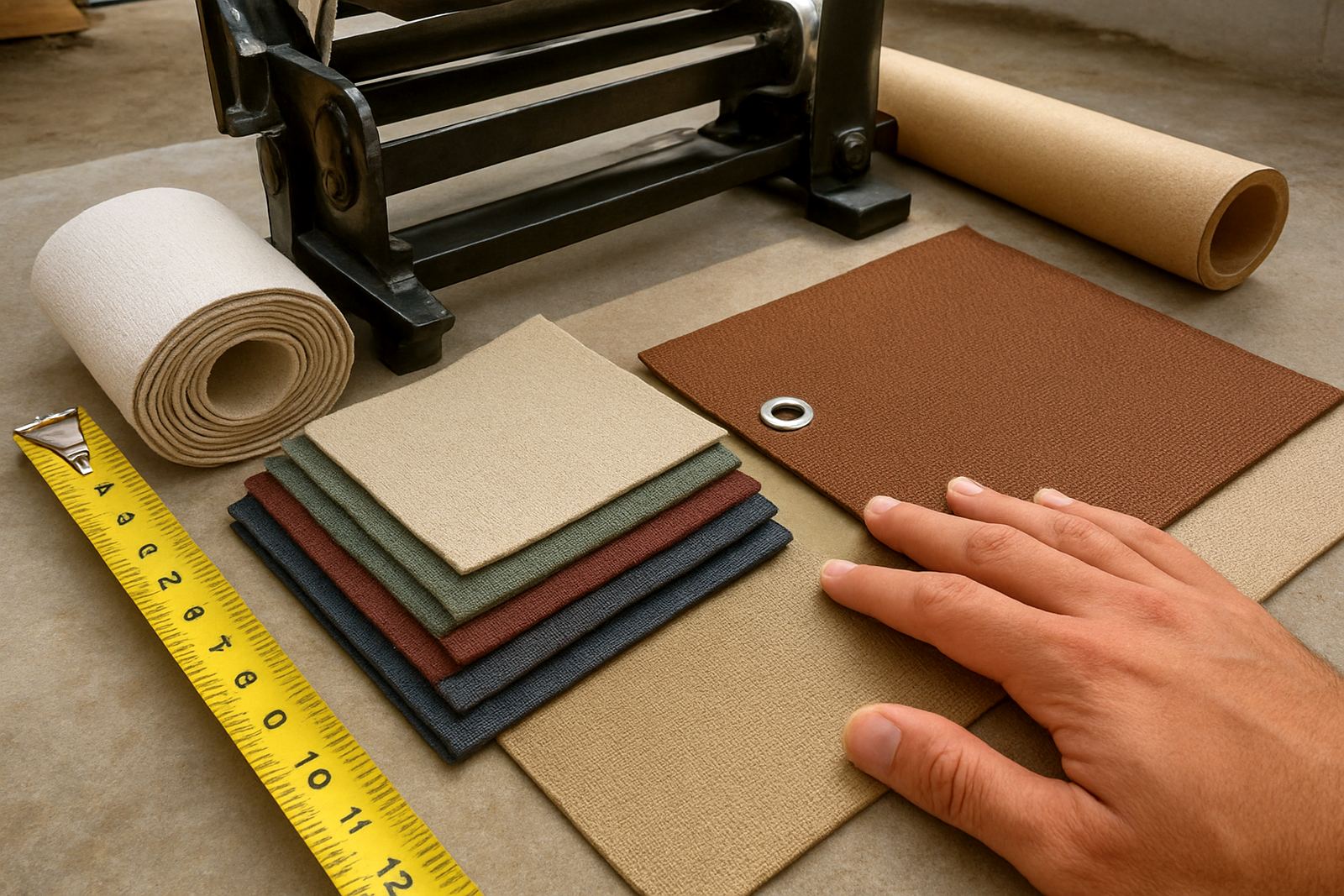
Matte, gloss and reflective finishes all have different uses. Reflective detail can help for night work or low-light site access, but it should be planned carefully so it does not fight with the main message.
What to prepare before artwork is set up
Good branding starts with good information. Send a clean logo file if you have one, preferably in a format that stays sharp when enlarged. If the logo only exists as a small picture from a letterhead, it may need redrawing before printing. Supply the exact wording, your preferred colours and any compliance wording you want on the vehicle.
It helps to know which details are must-have and which can be left out if space is tight. For example, if the vehicle is a compact hatchback, a long slogan may not fit well and can make the whole layout look crowded. If you need driver names or unit numbers, decide where they should sit before production starts. A clear approval process saves time and avoids reprints.
- Logo and brand colours
- Vehicle make, model and year
- Photos of all sides in daylight
- Text to appear on the vehicle
- Any site, safety or access wording
If your fleet works in Bojanala or across mining and school routes, note that some sites have their own vehicle identification rules. We can help keep the layout neat while still leaving room for the details those sites expect.
How fitment works and why surface prep matters
Vehicle branding only lasts as well as the surface underneath it. The panels need to be washed, dried and free from wax, polish, tar and dust before application. Older vehicles may need extra cleaning around handles, badges and edges where dirt builds up. If the vehicle has fresh paint, it should be fully cured before vinyl is applied. Rushing this stage can lead to lifting later.
Fitment should be planned around weather and downtime. In Rustenburg, heat can speed up application but can also make handling more difficult on large panels. Dust and wind are also a factor on outdoor sites. For best results, allow the vehicle to stand after fitment so the material settles before it goes back into heavy use. If the vehicle is driven on gravel or washed too soon, edges can lift sooner then expected.
Ask how the fitment will be done and what parts of the vehicle may be removed and refitted if needed. Door handles, mirrors and light trims can affect how neatly the vinyl finishes at the edges. Good fitment is not just about sticking graphics on, it is about placing them so they last through daily work, heat and washing.
Local conditions in Rustenburg that affect the finish
North West conditions can be hard on vehicle branding. Strong sun fades low-grade print faster, and dust from site roads can mark lighter finishes if the vehicle is not washed regularly. On vehicles that park outdoors at mines, schools or depots, a durable laminate is worth considering because it helps protect the printed face from UV and daily handling.
Coastal humidity is not the issue here, but high summer heat and regular power interruptions can still affect production planning and delivery times. It is better to book branding early if the vehicle must be ready for a contract start, open day or tender handover. If the vehicle is going through municipal or site approval, allow enough time for artwork changes and final sign-off.
- Choose strong contrast for readability in sunlight
- Use protective laminate where the panel will take abuse
- Allow time for approvals and fitment before handover
- Keep a record of the final artwork in case of future reprints
Vehicles that shuttle staff or do delivery rounds should also be checked after the first few washes. Early inspection makes it easier to spot corners or edges that need attention before they become a bigger problem.
A simple pre-branding checklist for fleet owners
Before you approve the job, work through a short checklist. It keeps everyone on the same page and reduces costly changes once printing has started. This is especially useful if your business is branding several units at once, or if the vehicles are arriving from different branches in the Rustenburg area.
Checklist: confirm the vehicle registration and year, approve the artwork proof, check spelling on every line, agree on the placement of each element, and decide whether one vehicle or a full fleet is being done first. If a vehicle has existing stickers or old branding, ask whether it should be removed before the new work goes on. Old adhesive can show through if it is not dealt with properly.
- Vehicle details confirmed
- Artwork approved in writing
- Spelling and contact details checked
- Existing branding removal discussed
- Fitment date and handover plan confirmed
A clear plan keeps the job moving and helps your business look organised on the road. That matters when your vehicles are seen at client sites, on highways and in company parks every day.
What a good branding partner should explain upfront
A proper vehicle branding job should come with straight answers about material choice, turnaround time, care instructions and expected lifespan. You should know how the branding will be cleaned, what soaps to avoid and when to report damage. If a panel is scratched or replaced later, the design should be easy to match again.
At Crystal Clear Printing, we handle graphic design, artwork setup, large format printing, vinyl cutting, print lamination and vehicle branding fitment for businesses around Rustenburg and Bojanala. That includes fleet work for mines, schools and service companies that need clear identification on the road. If you are planning branding for one vehicle or several, start with the basics and build from there.
Done well, vehicle branding turns every trip into working advertising. Done badly, it becomes another repair job. The difference usually comes down to planning, preparation and the right finish for local conditions.