
Why one item alone seldom carries a campaign
If you are launching a community drive, school programme, safety campaign or product push, one printed item can only do part of the job. A banner gets attention from the road, flyers put details into people’s hands, and a small giveaway keeps the message around after the first contact.
That mix matters in Rustenburg and the surrounding Bojanala area, where people move between mines, schools, taxi ranks, shopfronts and contractor yards every day. A campaign pack should be built for quick recognition, then backed up with enough useful detail for someone to act on it later.
For most local drives, the best results come from keeping the message short and repeating it across each item. The same logo, colours and contact line should appear on the banner, flyer and giveaway so the campaign feels organised, not scattered.
A practical starter pack for awareness drives
A basic campaign pack does not have to be large to be effective. It just needs to be planned in the right order, with each item doing a specific job in the field.
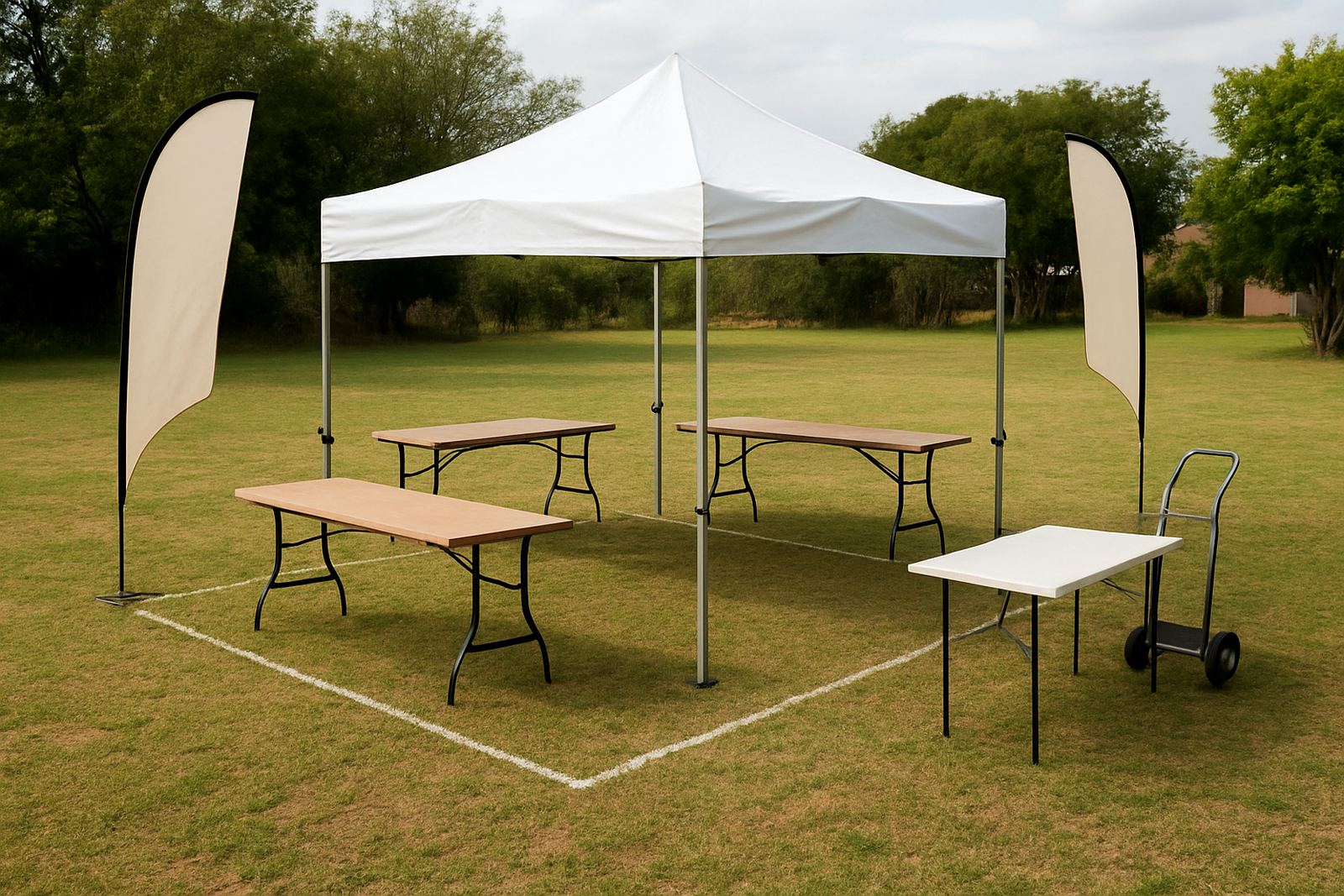
Start with a main banner for high-visibility spots, then add flyers for direct handouts and a simple branded giveaway for lasting exposure. If the campaign is aimed at a school event or a mine safety day, include a branded tablecloth, a pull-up banner or a gazebo wall as well, so the display looks neat and easy to manage.
- Main banner: good for entrances, roadside points and event backdrops
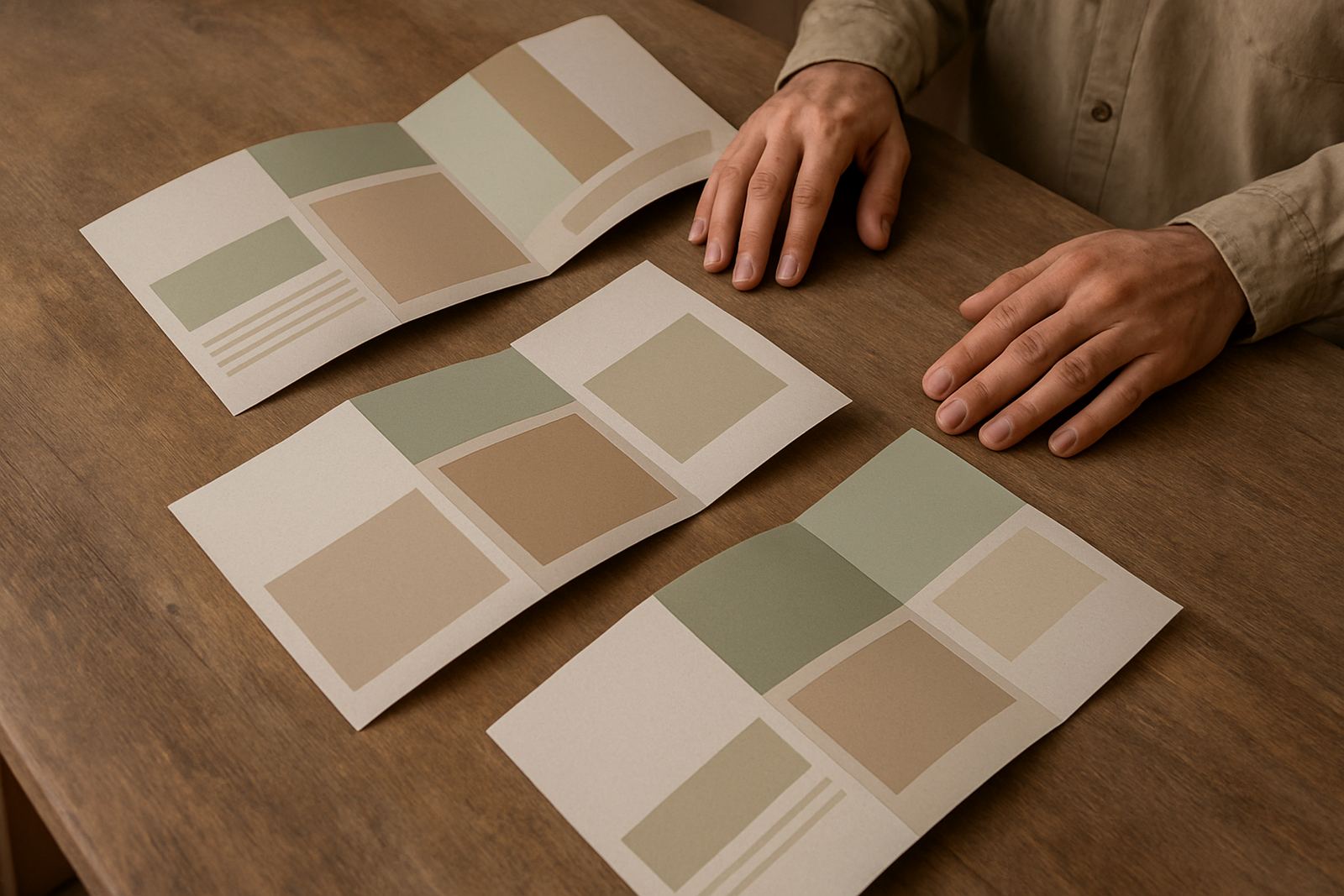
- Flyers: best for giving details, dates, rules and contacts
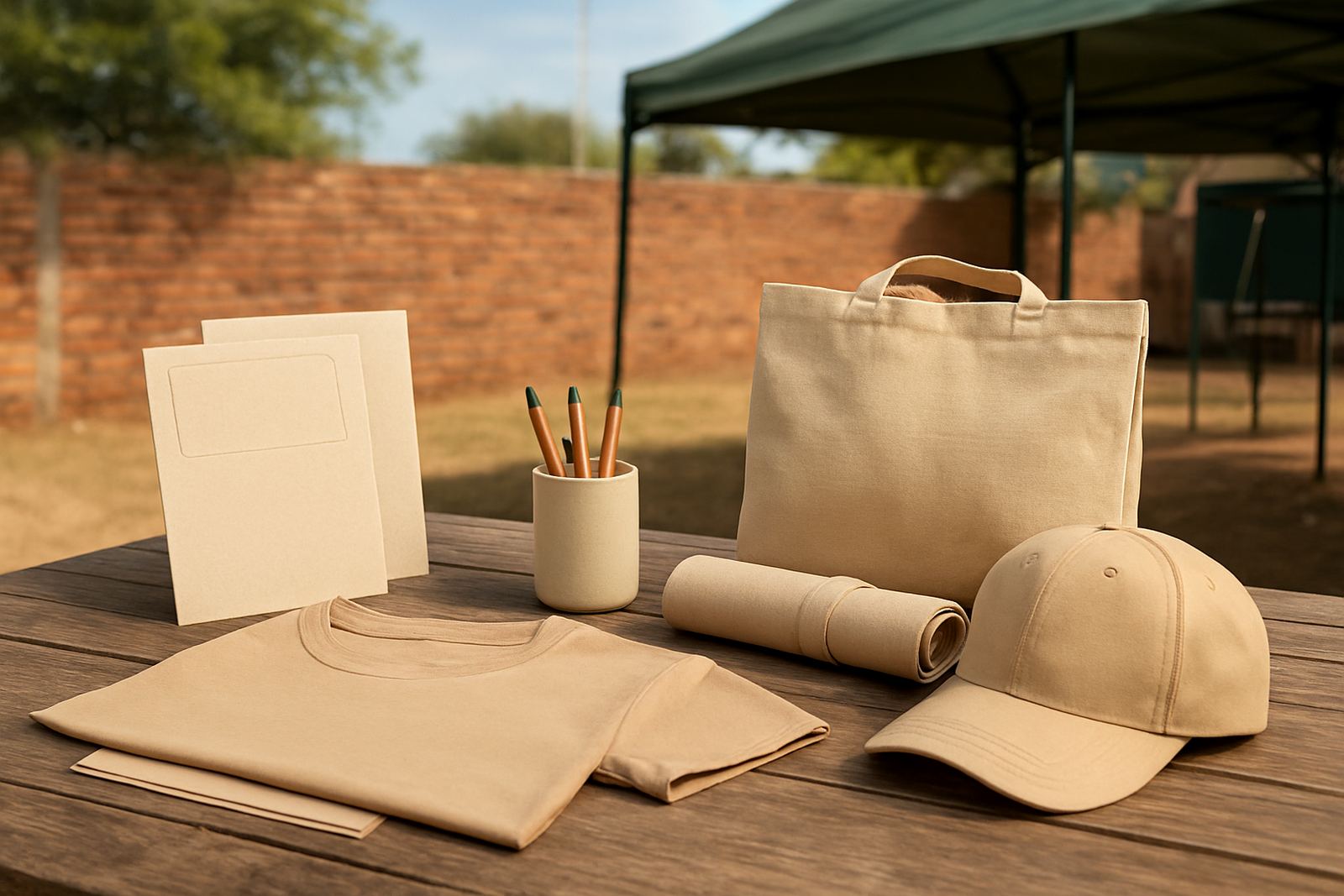
- Small giveaways: pens, notebooks, cups or sachets for repeat visibility
- Optional extras: gazebo branding, flags, stickers and staff shirts
How to match the pack to mines, schools and local businesses
The right pack for a mine is not the same as the right pack for a school or a township shop. Each setting has its own rules, viewing distance and handling conditions.
For mines around Rustenburg, signage and giveaways need to look professional and hold up in dusty conditions. For schools, the message should be easy to read from a distance and safe to hand out to learners. For businesses in places like Phokeng, Tlhabane or Mogwase, the pack should support foot traffic and repeat visits, with enough branding to make the offer memorable.
If the drive is outdoors, choose print sizes that can be read from at least 5 to 10 metres. If it will move from one site to another, keep the items light and easy to set up. A folded gazebo, a banner with proper finishing and a box of handouts often works better than a complicated display that takes too long to manage.
What to put on the artwork so people actually respond
Good campaign artwork is direct. It should tell people who you are, what you want them to do and when they must do it. Too much text usually means the main point gets lost.
Keep the headline short, then add the key facts underneath. If the campaign is about awareness, use a plain call to action like visit, report, attend or collect. If it is about a service, include the location and the date. A flyer can carry more detail, but the banner still needs a strong first line.
- Use one main message only
- Repeat the logo and campaign colours on all items
- Keep text readable in bright sunlight
- Leave enough space for a QR code if people will scan for more information
- Check spelling, date formats and contact details before printing
When artwork is rushed, the whole campaign looks unfinished. A clear setup saves time later, and it avoids costly reprints that could have been prevented with one careful check.
Material choices that cope with Rustenburg conditions
Rustenburg weather can be hard on print. Strong sun fades poor ink quickly, afternoon wind can lift badly finished banners, and dust can work into edges and seams. If the campaign runs for more than a few days, the materials need to be chosen with that in mind.
Outdoor banners should have proper eyelets and clean finishing so they hang straight. Flyers need paper that feels solid in the hand, not flimsy enough to crease after the first transfer between sites. Giveaways should be useful enough to stay on a table, in a vehicle or in a pocket after the event.
For a longer campaign, lamination can help signs and stickers last longer, while embroidery gives clothing a neater look for staff on duty. That kind of finish is useful where the public sees the team more than once, because it builds trust without needing a long explanation.
A local example from a Bojanala road safety drive
Imagine a road safety campaign running between Rustenburg CBD, Tlhabane and the routes towards Marikana and Boshoek. The organisers need people to notice the message at taxi points, understand the rules at a glance and remember the campaign after they leave.
A smart pack for that drive could include a large roadside banner, A5 flyers for handouts, stickers for helmets or vehicle windows and a small giveaway like a branded pen or notebook. If the team is attending school visits, a gazebo with side panels and a table cover makes the setup look organised. The same artwork can be adapted across all items, so every point of contact says the same thing.
That approach also helps when the campaign has multiple stops in one week. The banner works at the main entrance, the flyers go into learners’ or staff hands, and the giveaway keeps the message visible later. It is a simple method, but it works because people remember what they can see often.