
How to handle printed items on first use
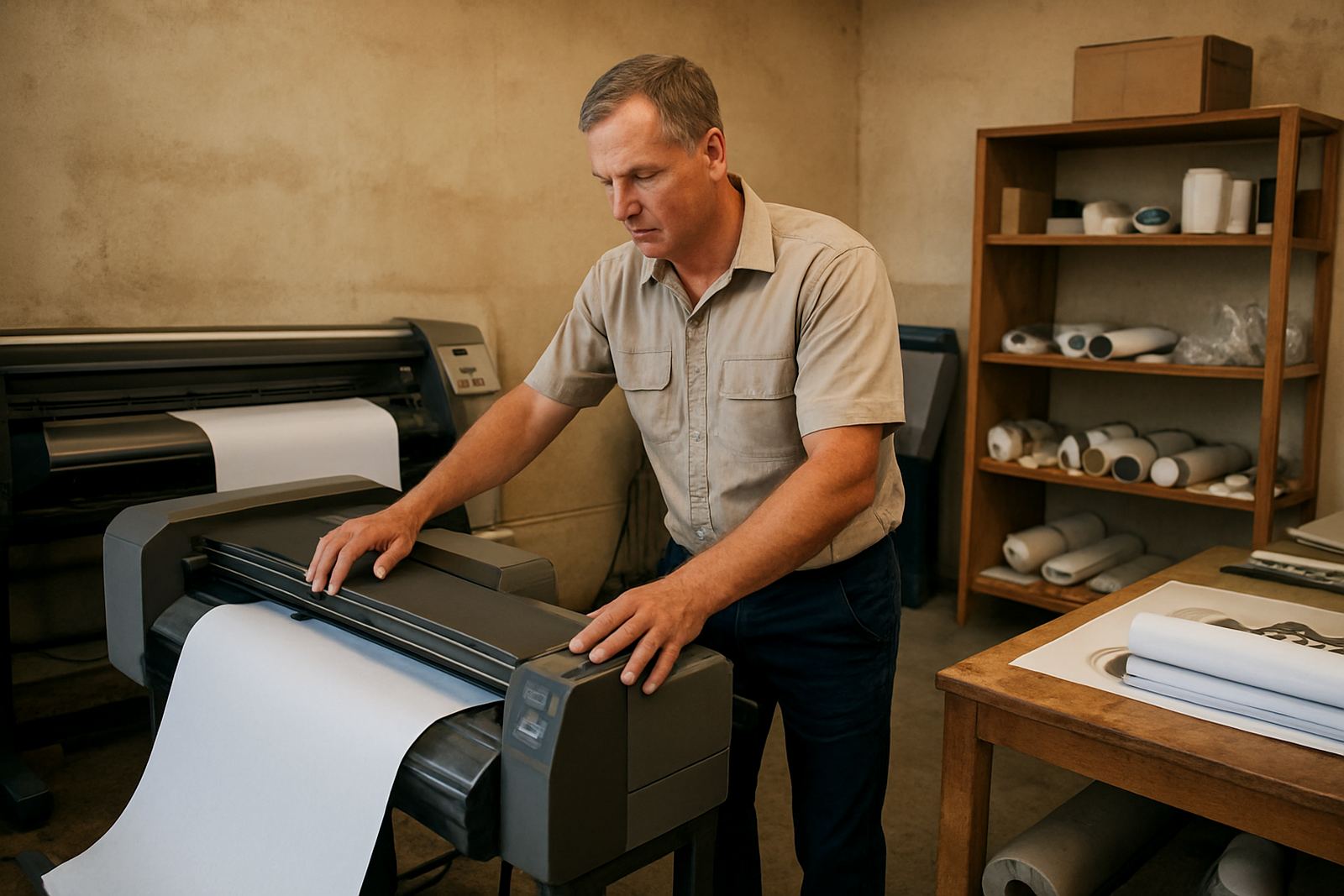
When you receive banners, stickers, posters or other printed pieces, unpack them as soon as possible and check that everything is complete. If an item has been folded for transport, lay it flat in a clean dry area for a few hours before fitting or hanging it. This helps the material settle and reduces edge curl.
Avoid rubbing the printed surface while it is still warm from packing or direct sun. In Rustenburg CBD and across the surrounding mining areas, dust can settle quickly, so wipe hands clean before handling any print. If the item has adhesive backing, do not peel it open until you are ready to apply it, because dust and lint can weaken the stick.
- Keep printed pieces dry until installation.
- Store flat if possible, or roll with the print side out.
- Do not place heavy objects on top of folded prints.
- Allow cold items to reach room temperature before fitting.
Banner care for wind, rain and strong sun
Banners are made for outdoor use, but they still need attention. Strong sunlight can fade colour over time and high winds can stress eyelets, hems and seams. Where possible, remove banners during severe weather or when they are not needed for a long period. If a banner is left up on a fence or scaffold, check the fixing points often, especially after a windy night.
For cleaning, use lukewarm water and a soft cloth. A small amount of mild soap is fine for general dirt, bird droppings or dust. Do not use bleach, thinners or a hard brush, because these can damage the print or coating. Rinse well and let the banner dry fully before rolling it away. If it is stored while damp, mould can form fast in humid conditions.
- Roll banners rather than folding them for storage.
- Check rope, cable ties and clamps before refitting.
- Keep banners clear of sharp edges and rough wall surfaces.
- Use extra fixing points on larger banners to reduce strain.
Embroidery care for workwear and uniforms
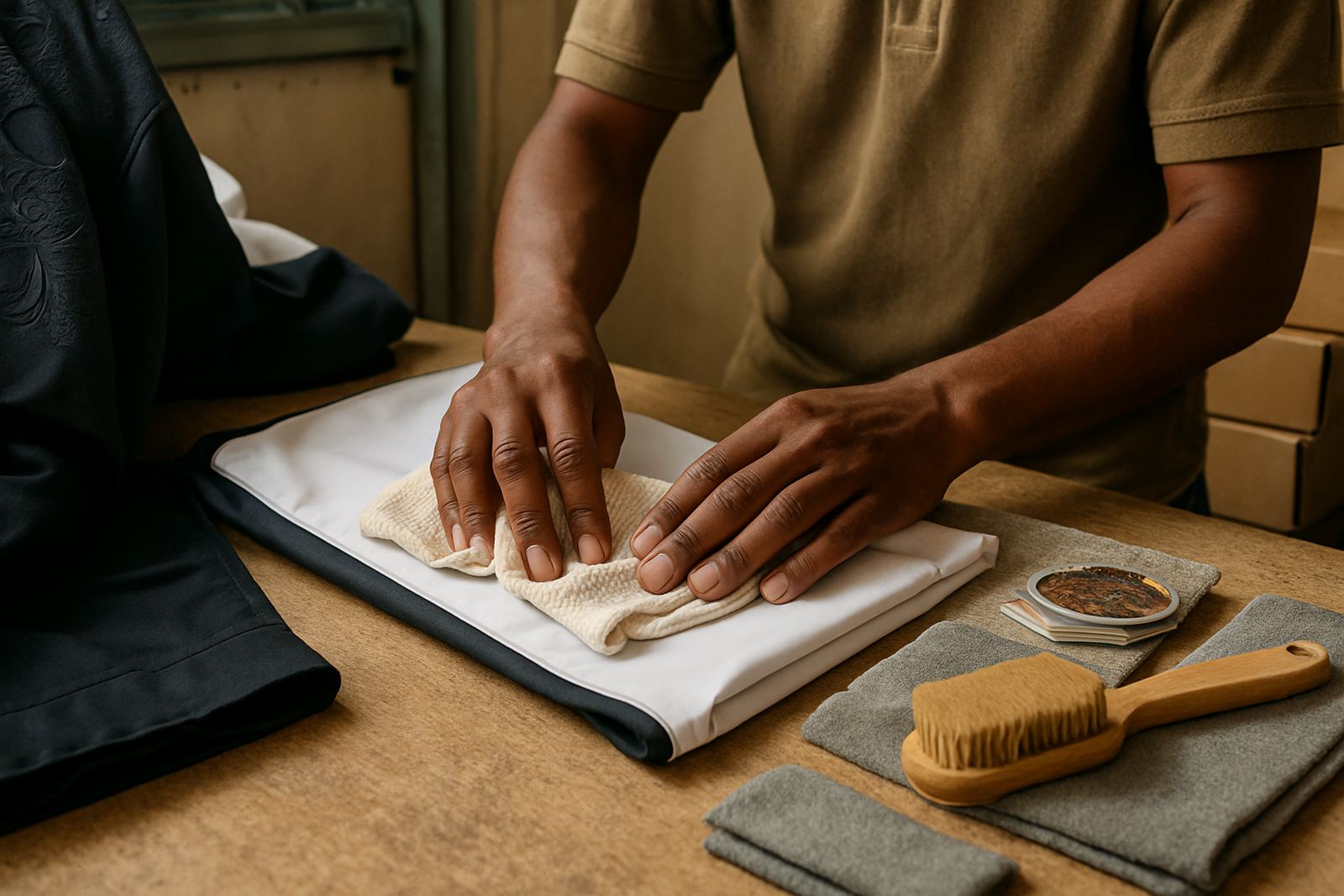
Embroidered garments need gentle washing so the stitching stays neat. Turn the garment inside out before washing, especially if the embroidery sits on the chest, sleeve or cap front. Wash with cold or lukewarm water and use a mild detergent. Hot washing can shrink fabric or cause unnecessary stress on the thread. That matters when uniforms are worn often on site.
Avoid soaking garments for long periods and do not scrub directly over the embroidered area. If there is grease or dust from a workshop, treat the stain around the embroidery and not on top of it. After washing, reshape the garment while damp and dry it in the shade. Direct high heat from a tumble dryer or hot iron can flatten the stitches.
- Wash dark and light garments separately.
- Do not wring embroidered items too hard.
- Iron on the reverse side, not directly on the thread.
- If needed, place a clean cloth over the embroidery before ironing.
Sticker and decal care after application
Decals and stickers need time to bond properly after application. Once fitted, leave the surface alone for at least 24 hours if you can, and do not wash or wipe it too soon. This is especially important on vehicle branding, shop windows and smooth painted panels. On freshly painted surfaces, wait until the paint has fully cured before applying any vinyl. The timing depends on the coating used, so ask for advice if you are unsure.
For cleaning, use a soft cloth, mild soap and water. Do not use abrasive pads, strong solvents or high pressure spray too close to the edge of the decal. Try to wash around the edges rather than scrubbing across them. If the item is on a vehicle that works in dusty or muddy conditions, inspect the corners every now and then for lifting. Catching small lift points early makes repair easier.
- Keep water pressure low near the edges.
- Do not apply wax or polish unless it is safe for vinyl surfaces.
- Allow full curing time after painting before installation.
- Park in shade where possible to reduce heat build-up.
Keeping promotional gifts and branded giveaways usable
Promotional items often move from office use to site use, so basic care helps them last. Pens, mugs, cooler boxes, caps and other branded gifts should be cleaned according to the material they are made from. If the item has a printed logo, avoid rough scrubbing or harsh chemicals. Some gifts are for light use only and are not suited to dishwashers, boiling water or heavy handling.
For fabric items like caps, bags and lanyards, remove dirt with a damp cloth first and wash only when needed. Store giveaway stock in a dry place away from direct sun, because heat can weaken packaging and fade the branding over time. It also helps to keep different items separated so printed surfaces do not rub against each other.
- Check the care note for each item before washing.
- Keep giveaways away from oily or chemical work areas.
- Do not stack heavy boxes on soft branded items.
- Wipe mugs and hard items by hand unless marked dishwasher safe.
Storage tips for long term use in Bojanala conditions
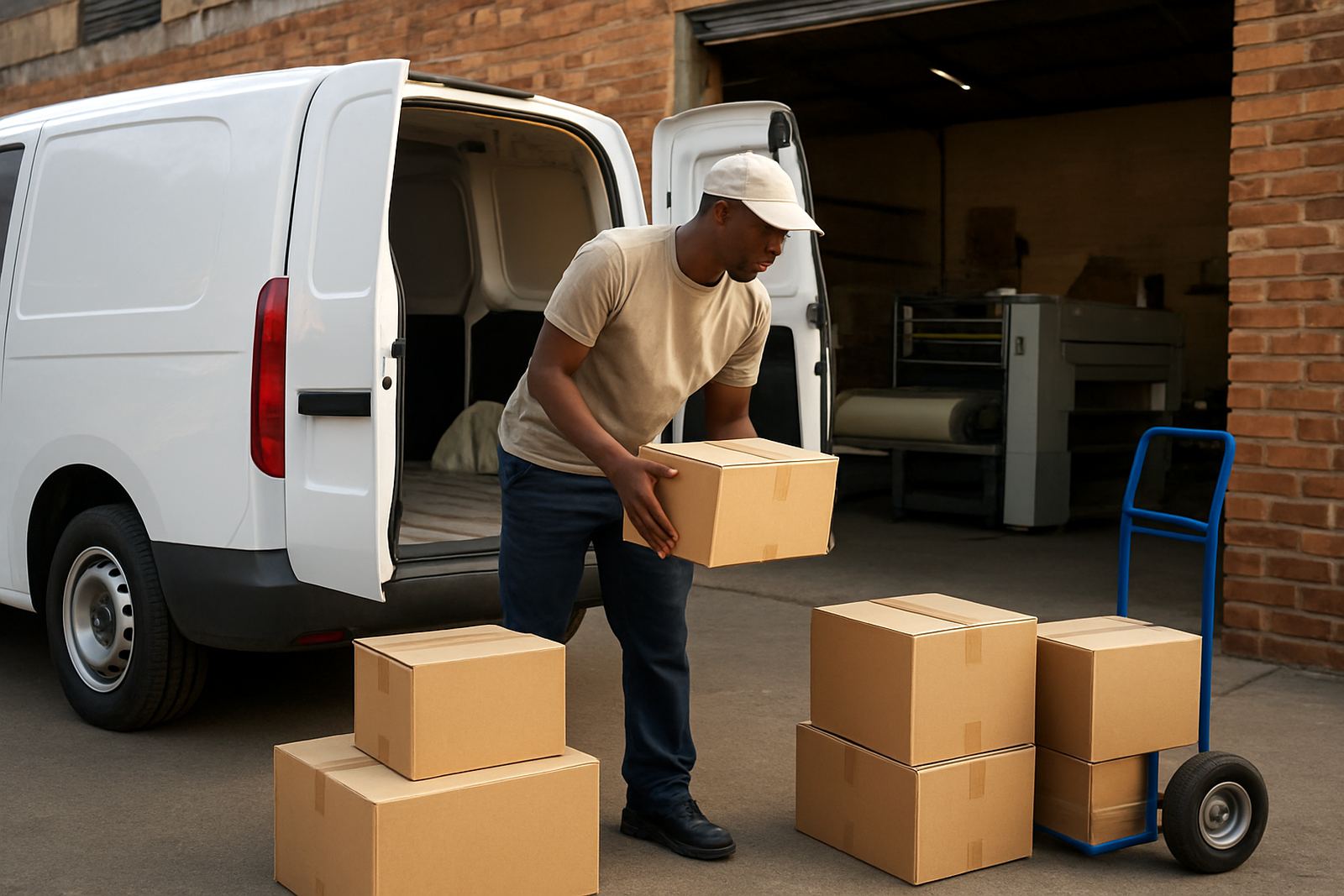
Whether the item is for a school event, mine shutdown, church function or retail promotion, storage makes a difference. Bojanala can be dusty and warm, and some areas have sharp changes in temperature between day and night. Keep branded items in a cool dry storeroom where possible. Avoid leaving them in the back of a bakkie, under a roof that leaks, or next to chemicals and fuel.
For banners, roll and sleeve them if you can. For garments, fold neatly with tissue or a clean layer between printed surfaces. For stickers and decals, keep them flat and out of sunlight until needed. If an item looks dirty after storage, clean it before use rather than putting it away again as is. A quick check before each job saves time later, and keeps the finished look better.
If you are not sure how to care for a specific item, send the details through the enquiry form on our contact page and we will guide you on the safest method. The right handling can add months to the usable life of your branding, especially where load-shedding, dust and outdoor exposure all play a part.