
The Phokeng brief: neat uniform branding for daily use
The client needed branded uniforms for a small service team working across Phokeng and nearby business areas. Their staff move between site visits, office calls and outdoor work, so the clothing had to stay presentable after repeated washing and long days in the sun. The brief was straightforward in principle but strict in execution: golf shirts and caps with clear logo placement, no loose threads, and a finish that looked professional from the first wear.
They wanted the team to be easily identified without shouting for attention. We worked from supplied artwork and cleaned it up for stitching, then planned the embroidery size and placement around the garment panels. On golf shirts, the left chest had to sit level and small enough to read cleanly. On caps, the mark needed to follow the curve of the crown and stay visible from the front.
- Client type: service business crew
- Area: Phokeng, Bojanala, North West
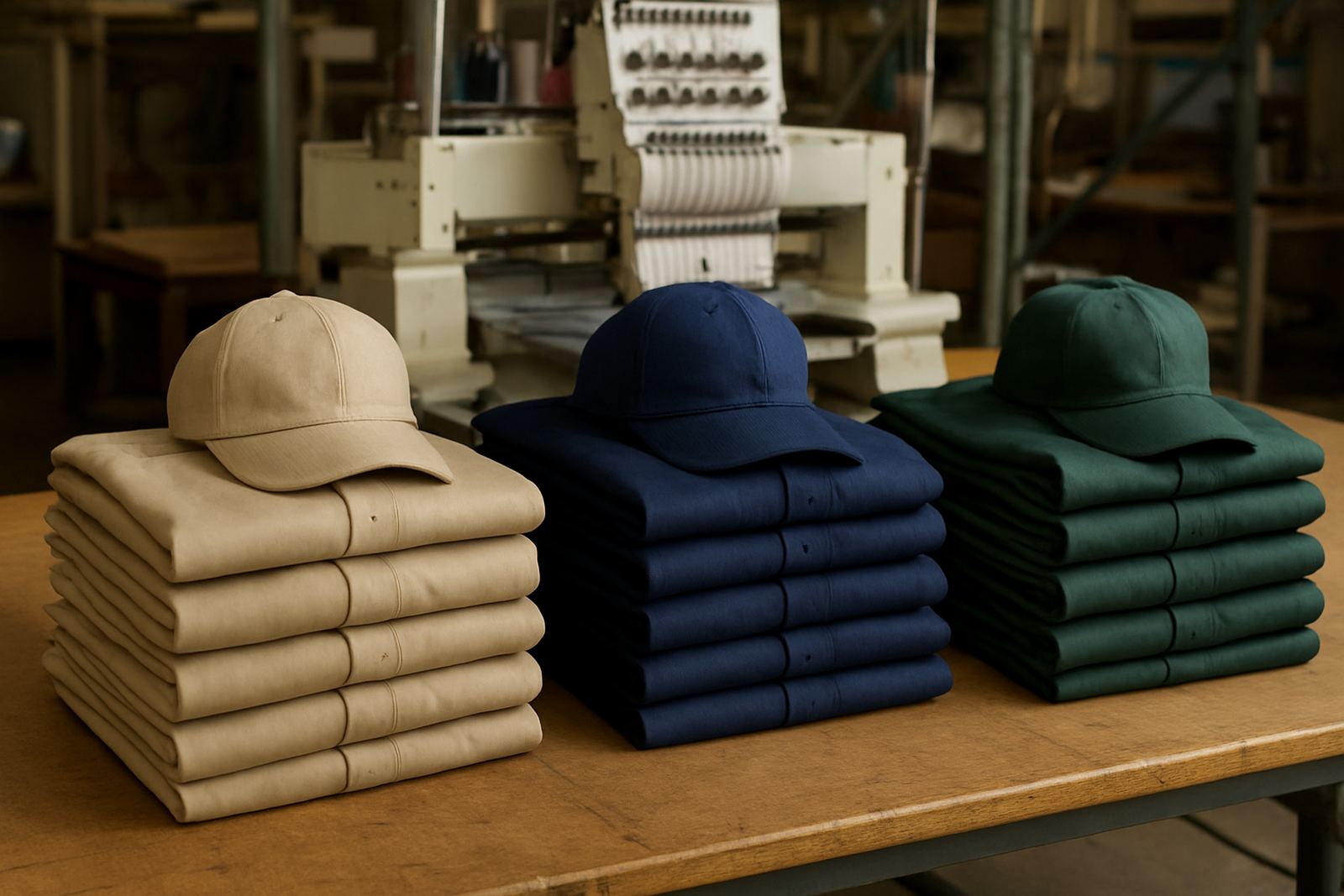
- Items branded: golf shirts and caps
- Branding method: embroidery
Artwork setup and digitising for a clean stitch run
Before any stitching started, our graphic team checked the supplied artwork for line weight, spacing and stitch suitability. That step matters because a logo that looks fine on screen can turn clumsy once thread enters the picture. We rebuilt the file for embroidery digitising, set stitch direction, trimmed small details that would not hold well and matched the thread colours to the approved layout.
The design was kept practical. Fine text was enlarged slightly so it could be read from a normal distance, and the logo edges were adjusted to reduce puckering on knit fabric. For the caps, we mapped the design to the front panel and tested the placement so the curved surface would not distort the badge. This kind of prep saves time later and avoids rework on the machine.
- Artwork setup done in-house
- Embroidery digitising adjusted for golf shirt knit and cap structure
- Thread colours matched to the client's approved branding
- Layout checked for balance, legibility and repeatability
Production details: shirt embroidery and cap branding
We stitched the golf shirts with a left chest logo position sized for everyday wear and easy identification. The caps were branded at the front panel with a clean, centred mark. Because the client wanted a professional look, we kept the stitch density balanced, so the embroidery sat firm without pulling the fabric. The result needed to be durable, but also light enough for staff to wear through a full shift without irritation.
Key specs for the run were simple but important: embroidery on poly cotton golf shirts, structured caps, and thread colours matched to the approved business identity. We used backing where needed to stabilise the fabric, and trimmed each piece after stitching so the finish stayed tidy. The golf shirts were checked for alignment across sizes, because even a small shift in placement can make a set look uneven when the crew is standing together.
- Left chest embroidery on golf shirts
- Front panel embroidery on caps
- Stabiliser used to control fabric movement
- Final trim and thread cleanup on every item
Practical constraints on the job and how we handled them
Uniform jobs usually look simple until the production details start stacking up. In this case we had to work around fabric stretch, cap curves and the need for repeat consistency across multiple garments. The client also wanted the set completed quickly, so turnaround was planned to fit within a short production window without rushing the stitch quality. That meant careful sequencing of digitising, test alignment, stitching and inspection.
Another factor was the local working environment. In Phokeng and surrounding areas, crews often need clothing that can handle dust, strong sun and frequent washing. Load-shedding also has to be considered when a production house is planning machine time and finishing work, so we organised the run to keep the job moving through the available production slots. Everything was checked before collection so the client did not have to send anything back for correction.
- Managed fabric stretch and cap curvature during setup
- Kept production in step with a short turnaround
- Planned around power interruptions where needed
- Completed quality checks before handover
Timeline from approval to handover
The job was completed over two weeks. Week one covered artwork adjustment, digitising and approval of the embroidery placement. Once that was signed off, week two moved into stitching, finishing, quality control and collection prep. The timeline gave enough space to correct small issues early, which is always better than trying to fix a problem after the full batch is already run.
From the client's side, the process was easy to manage. They approved the mock-up, confirmed the garment sizes and let us handle the rest. Because the order was for a working crew, we kept the communication practical and direct. No fuss, just clear steps and a defined handover date. The shirts and caps were ready for use on schedule, and the team could start wearing them straight away.
Results the client could see immediately
The finished uniforms gave the crew a more consistent appearance and made staff easier to identify during client visits and daily operations. The shirts looked orderly, the caps matched, and the branding held its shape well. That matters in service work because first impressions are often made before anyone speaks. A clean uniform says the team pays attention to detail.
We also had good feedback on durability. The embroidery sat firmly on the fabric and did not feel bulky, which is important when the clothing is worn for long hours. For a business working in and around Phokeng, that kind of practical finish is worth more than a flashy one. It wears better, washes better, and keeps the branding visible over time.
- Consistent crew presentation
- Readable branding on shirts and caps
- Durable stitch finish for regular washing
- Suitable for field use and client-facing work
What we would repeat on the next uniform run
For a similar job, we would follow the same approach: clean artwork setup, proper digitising, a placement check on the first sample and a final inspection before release. That process keeps the embroidery looking smart and saves time later. For teams with mixed garment sizes, we would again confirm the chest position on a sample shirt before running the full batch, since small size changes can affect the look on each piece.
We would also keep the same practical spec choices for a working crew: embroidery rather than print for long wear, a placement that sits naturally on the garment, and thread colours that stay visible without overpowering the uniform. If the team expands later, the same embroidery file can be reused for more shirts, caps or other branded clothing, which makes future reorders quicker and more predictable.
Key facts
| Project | Phokeng Uniform Stitching |
|---|---|
| Client type | Service business crew |
| Town | Phokeng, Bojanala, North West |
| Items | Golf shirts and caps |
| Service | Embroidery with artwork setup and digitising |
| Timeline | 2 weeks from approval to handover |